
Six phases. Zero black boxes.
Every project follows the same engineering discipline — from the first site visit to the annual PM contract. Tap any phase card to see real project data, tolerances, and benchmarks.
Site Survey & CAD Modeling
Dimensional capture, throughput analysis, and constraint mapping before a single beam is cut.

Our field engineers conduct laser-measured surveys and map every floor penetration, column, dock door, and utility chase. The resulting 3D model is handed directly to controls and structural teams — no translation errors, no assumptions.
Structural & Controls Engineering
Steel sizing, load analysis, and PLC architecture designed as a unified system — not bolted together after the fact.
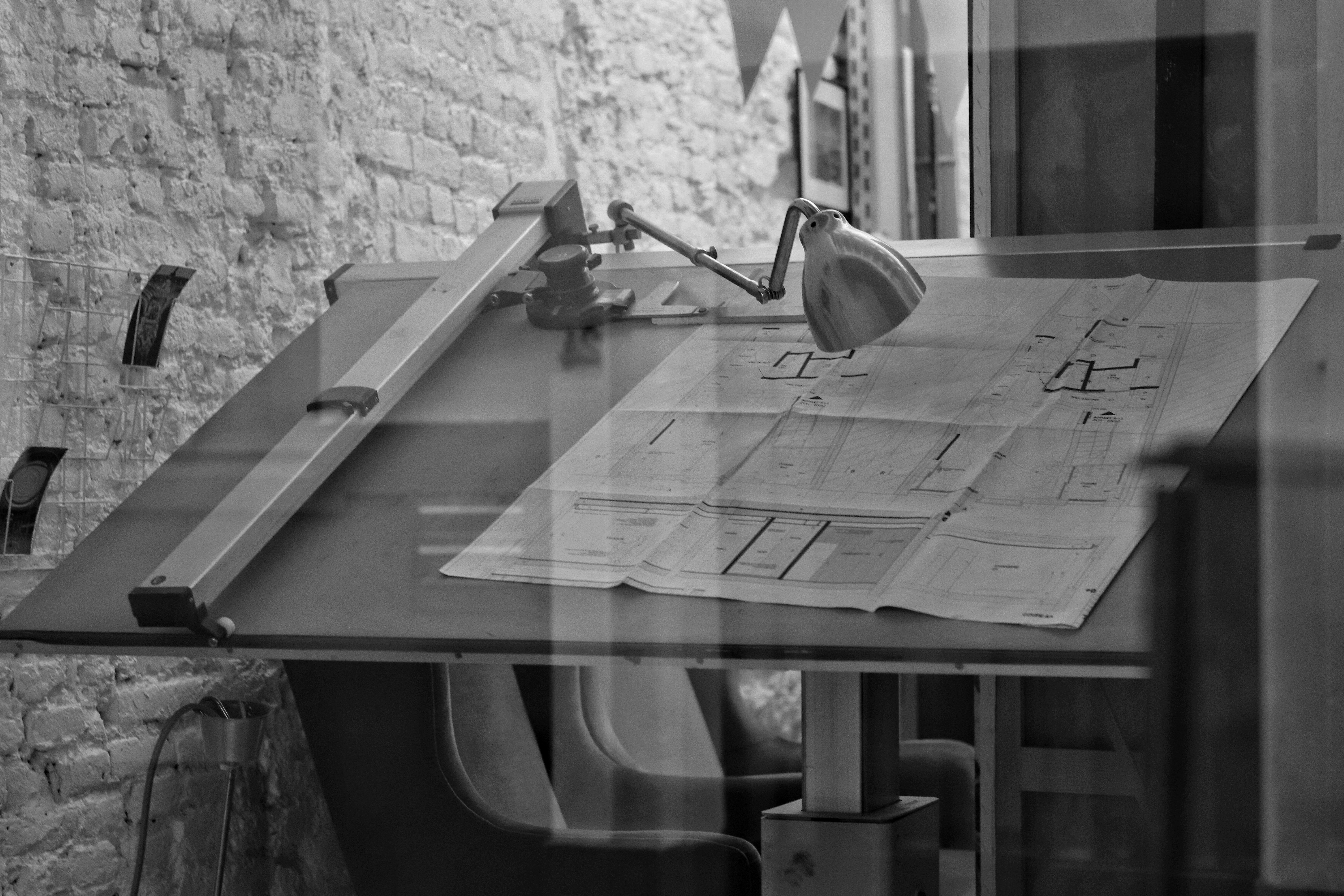
Every frame member is calculated for static and dynamic load, including surge and emergency stop forces. Our controls engineers define I/O maps and network topology in parallel — so the electrical panel is sized for the actual system, not a worst-case estimate.
Steel Fabrication & Powder Coating
In-house welding, CNC punching, and TGIC polyester powder coat — every frame certified before it ships.
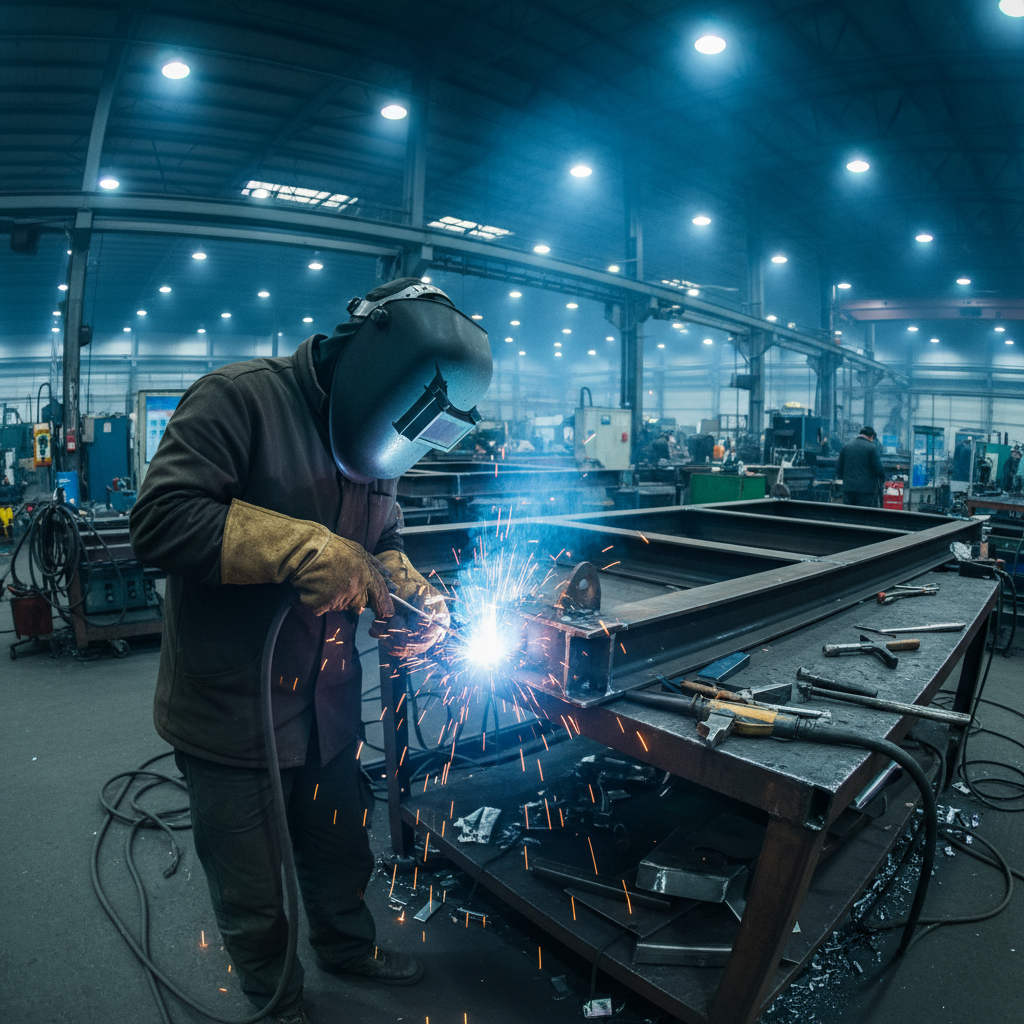
All structural steel is welded by AWS-certified welders and inspected per D1.1. Powder coat is applied in a climate-controlled booth to 3–5 mil DFT, tested for adhesion and impact resistance. Each module ships with a QC traveler documenting every step.
On-Site Installation
Sequenced module delivery, union-capable install crews, and daily progress reporting to your project manager.
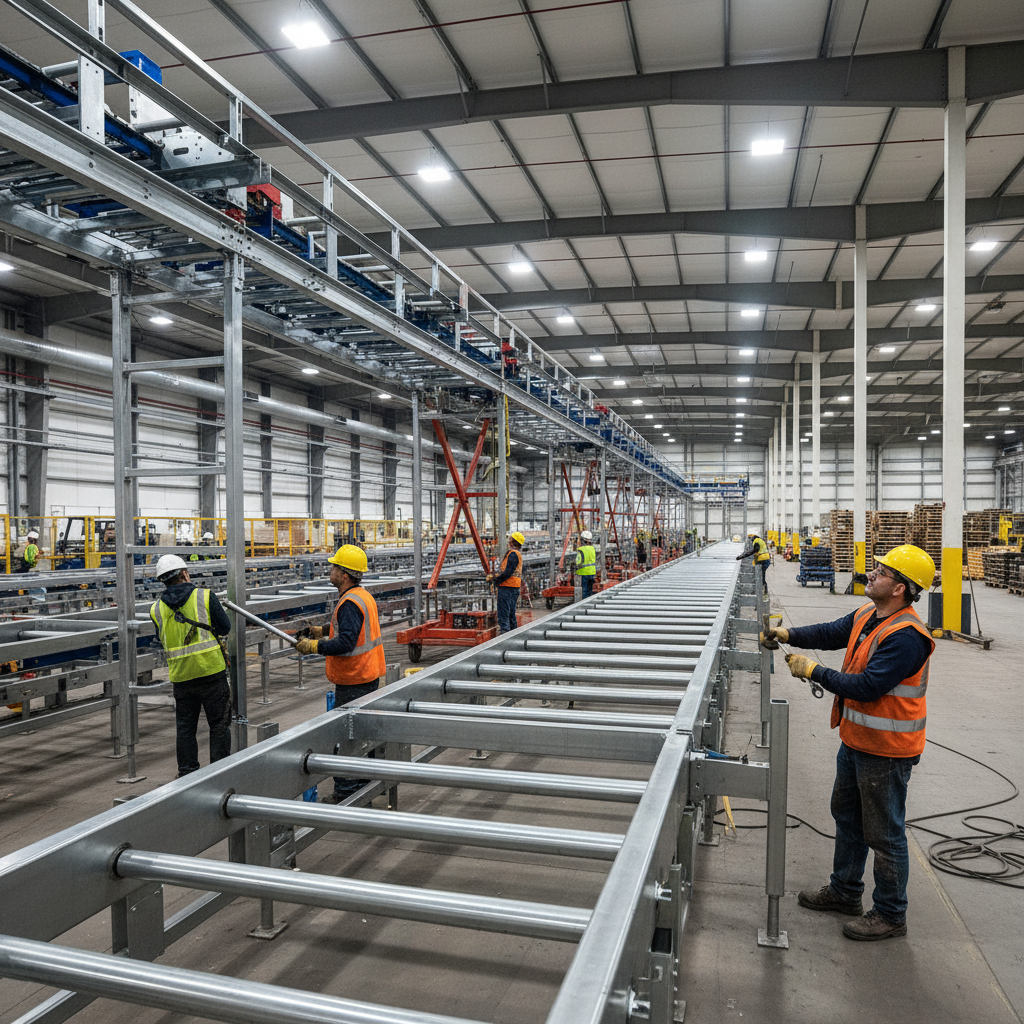
Our installation crews work from the same CAD drawings used in fabrication — there is no interpretation step. Each anchor bolt, splice plate, and drive mount is torqued and documented. We provide daily photo reports and a live Gantt update every morning at 7 AM.
PLC Programming & Commissioning
Allen-Bradley and Siemens-native code, full FAT documentation, and 72-hour burn-in at rated throughput.

Our PLC programmers write in structured text and ladder logic against a pre-approved functional spec — no black-box code. FAT is performed in our facility against a test fixture, then repeated on-site. We do not call a system commissioned until it runs at rated throughput for 72 continuous hours without a fault.
Preventive Maintenance Contracts
Quarterly PM visits, 4-hour emergency response SLA, and remote diagnostics on every commissioned system.

Each PM visit follows a 47-point checklist covering drive alignment, belt tension, bearing temperature, and conveyor speed calibration. Our remote monitoring platform captures fault codes and trend data, allowing our techs to diagnose 80% of issues before they become downtime events.
Real installs. Real numbers.
Every case study is ungated — no email required. We believe engineers should see the work before they decide who to call.

14,000 PPH Sortation Upgrade — Legacy Slider Bed Replacement
Replaced a 22-year-old slider bed system with a modular crossbelt sortation line. Zero downtime during cutover — executed across three weekend shifts.
Download Case Study PDF
Automotive Parts Assembly Line — Precision Indexing
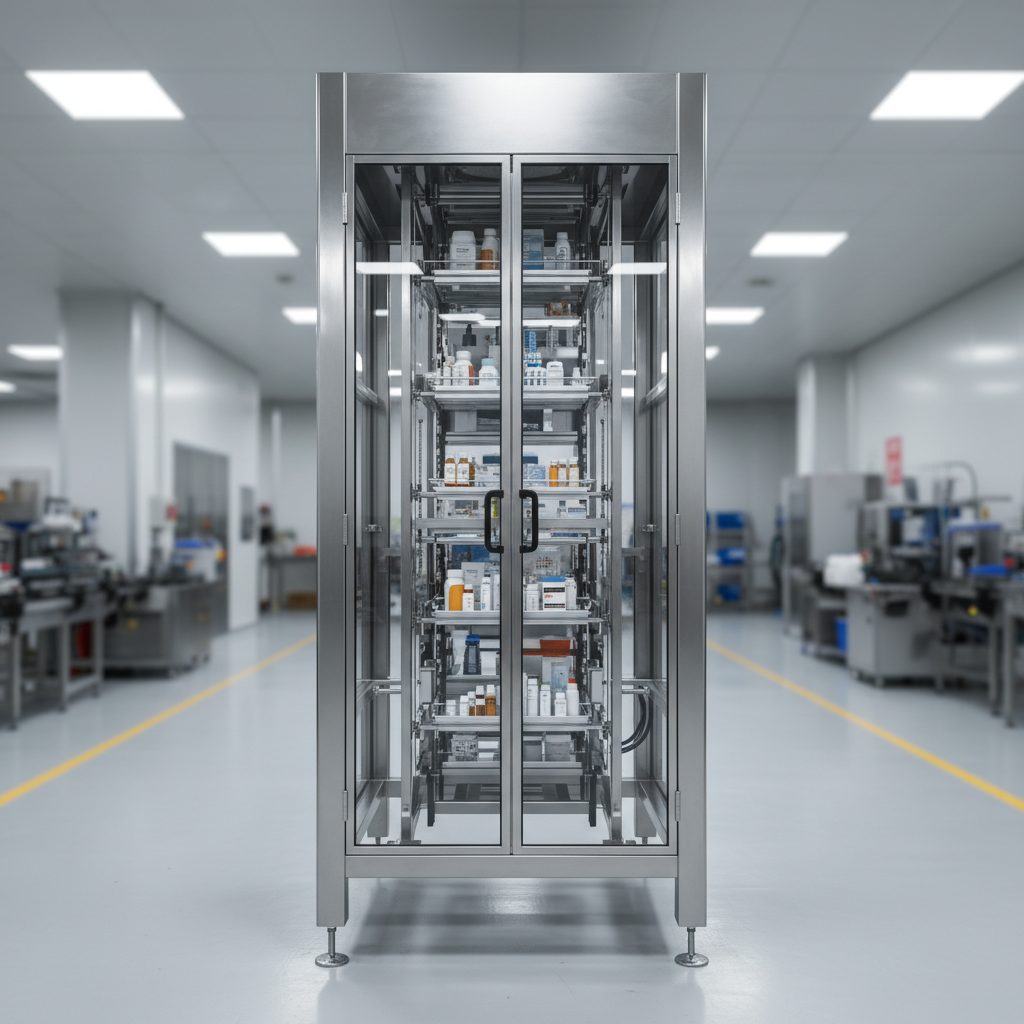
Sanitary Conveyor System — FDA-Compliant Wash-Down Design
Full wash-down belt conveyor system for a bottling line running three shifts. Designed to USDA Dairy standards with tool-free belt removal.
Download Case Study PDF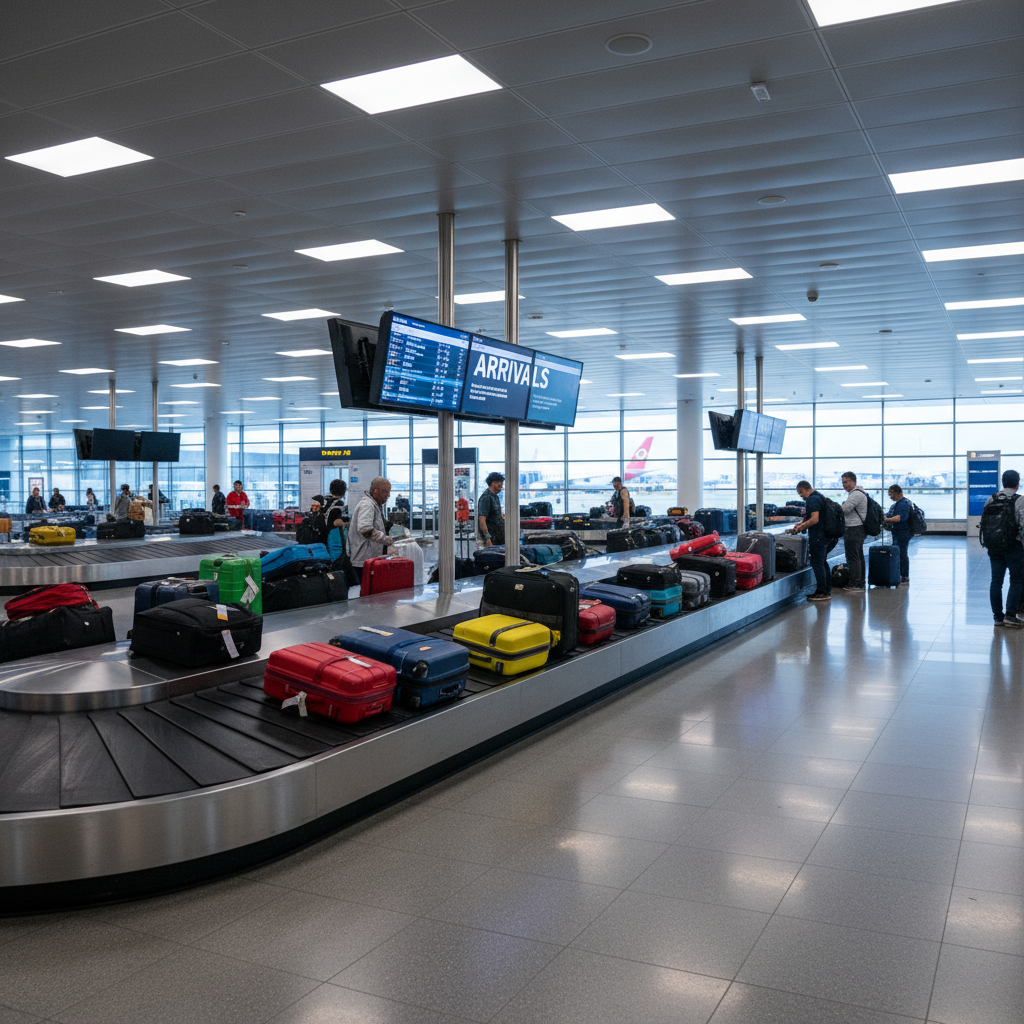
Baggage Claim Carousel Overhaul — Terminal B Modernization
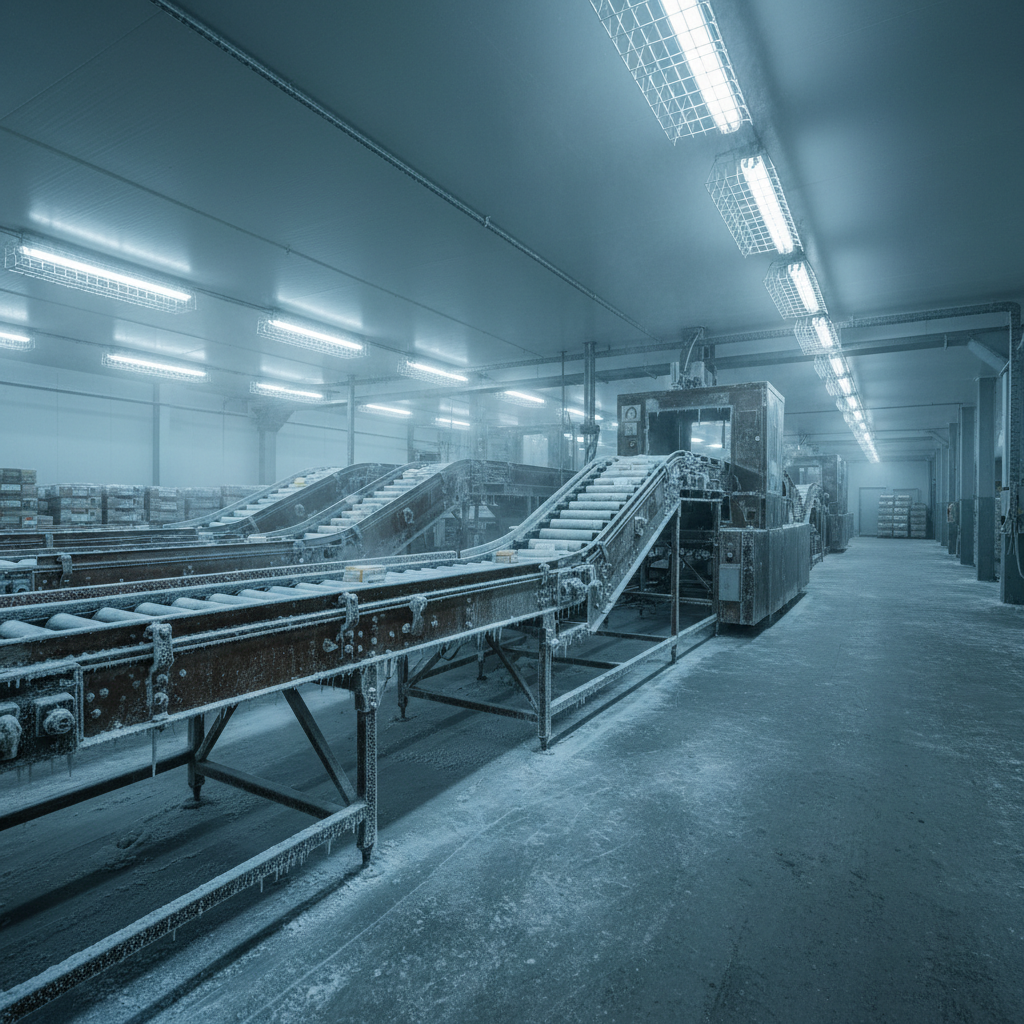
Cold Chain Conveyor — 28°F Freezer Warehouse Integration
Designed and installed a full conveyor network inside a blast-freeze facility. Cold-rated bearings, heated drive housings, and stainless fasteners throughout.
Download Case Study PDFThe PDF your procurement team will actually use.
47 pages of conveyor engineering reference material — load calculations, sortation comparisons, drive sizing formulas, and a vendor evaluation checklist. Written for plant engineers, not marketing departments.